Singapore and Hong Kong sharpen tax incentives in race for hedge fund, alternatives talent
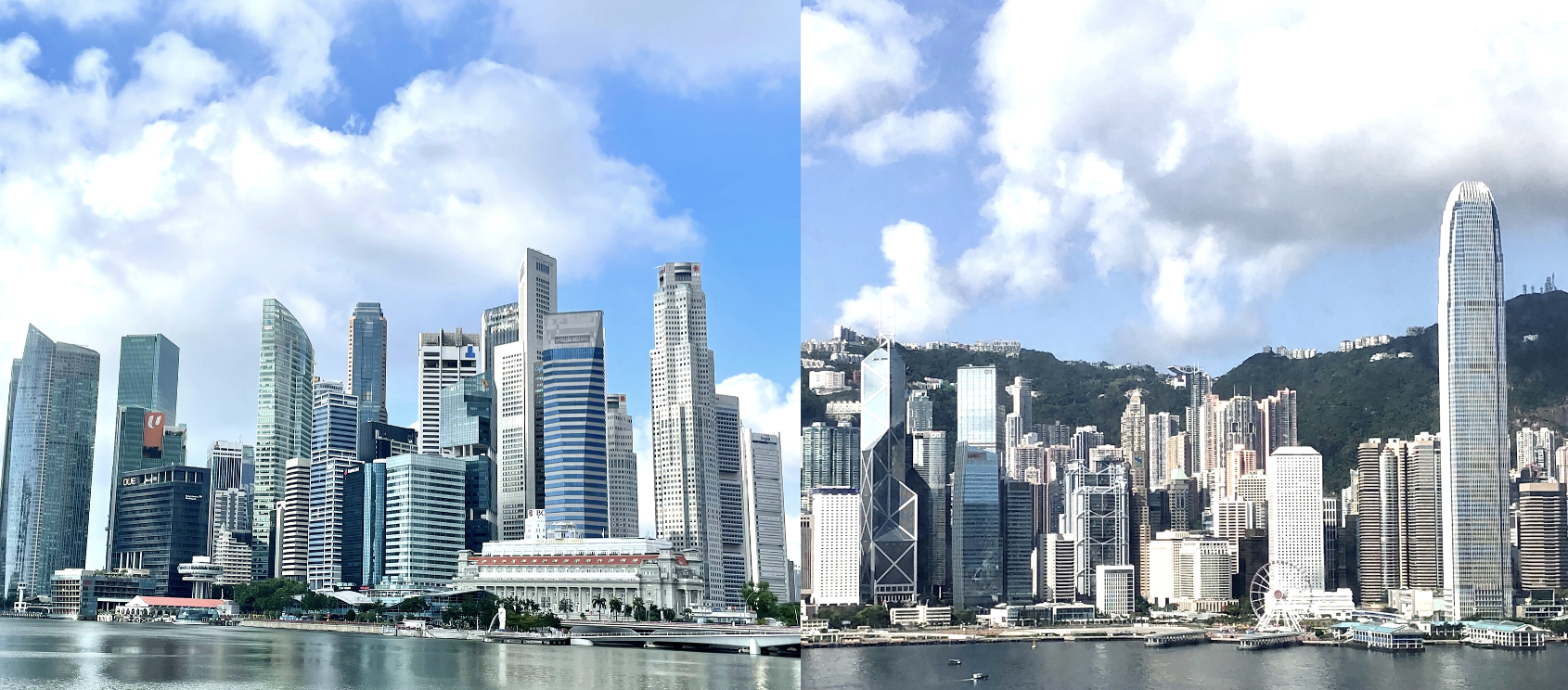
Singapore announced on August 19 that it will exempt profit-related returns earned by managers of qualifying funds. The move marks a targeted shift in the city-state’s tax framework aimed at strengthening its appeal to global fund managers.
The move comes just months after Hong Kong refined its carried-interest concessions in January, underscoring how Asia’s two leading financial centres are sharpening their policy tools as competition for hedge fund, private-market and multi-manager talent intensifies.
Singapore’s changes centre on the tax treatment of performance-linked compensation. Profit-related returns, including carried-interest-style allocations, incentive fees and partnership distributions, have traditionally been taxed as ordinary income. By contrast, qualifying funds may benefit from zero-profits tax treatment, a disparity industry participants have argued weakens Singapore’s competitiveness in attracting senior hedge fund professionals and multi-manager platforms. The new measure is designed to narrow that gap.
While full technical details will not be released until the 2027 Budget announcement, the policy direction is clear. In announcing the changes, the Monetary Authority of Singapore (MAS) described the asset management industry as a key growth engine for the financial sector, contributing about 15% of industry output and 13% of employment. Over the past five years, it has grown by an average annual rate of 7.5%, with assets under management (AUM) now approaching S$7 trillion (US$5.5 trillion).
MAS said the measures are designed to “anchor higher-value asset management activities, deepen industry capabilities, and attract top talent amid growing international competition”.
Singapore will also introduce a new hedge fund investment programme to encourage managers to establish a deeper local presence. In parallel, applications for the Overseas Networks & Expertise Pass (ONE Pass) will recognise a wider range of income sources beyond salary and bonus payments when assessing senior executives’ eligibility.
The announcement comes as Hong Kong’s financial sector regains momentum. A rebound in public listings has helped draw expatriate professionals back to the city, while rents, visa applications, and enrolment demand at popular international schools have all shown signs of recovery.
Tax incentives
Hong Kong has offered a zero-profits tax rate for qualifying carried interest distributed by private equity funds, alongside a 100% tax concession for qualifying individuals, since 2021. A January 2026 amendment bill now under legislative review would expand the regime to family investment holding vehicles and extend coverage to additional asset classes including private credit and digital assets.
Taken together, these measures reinforce Hong Kong’s ambition to deepen its private-market credentials while preserving its long-standing strength in hedge funds.
Hong Kong is widely regarded as one of Asia’s leading hedge fund hubs. While there are no comprehensive official hedge fund AUM figures, industry estimates suggest that the city is host to more than 500 hedge funds. Prominent firms include Hillhouse Capital, BFAM Partners and Symmetry Investments, while global multi-manager platforms such as Point72 Asset Management, Millennium Management, Balyasny Asset Management and Citadel LLC maintain significant Asia operations there.
The city’s hedge fund ecosystem benefits from deep capital markets, established prime-broker networks and access to a large pool of trading and investment talent.
Hong Kong also retains unparalleled access to Mainland Chinese markets through Stock Connect, Bond Connect and Wealth Management Connect, reinforcing its role as the primary offshore gateway to China’s capital markets. The Hong Kong dollar’s peg to the US dollar and Hong Kong’s status as the leading offshore renminbi centre further enhance its appeal to international investors.
While some managers have expanded operations in Singapore and other regional centres, Hong Kong continues to enjoy significant structural advantages in China-focused investment and trading strategies.
By contrast, Singapore has emerged as a formidable competitor in private markets. The 2025 Singapore Asset Management Survey showed that total alternative AUM reached S$1.5 trillion (US$1.18 trillion), including S$795 billion (US$624 billion) in private capital and venture capital and S$343 billion (US$269 billion) in hedge funds.
Private-equity and private-credit managers have increasingly established regional headquarters in Singapore, attracted by access to Southeast Asian deal flow, regulatory predictability, and the flexibility of the Variable Capital Company (VCC) structure.
Since its launch in 2020, a total of 1,406 VCCs have been incorporated or re-domiciled in Singapore by 2025, making the city-state a preferred domicile for private funds, funds of funds structures, and family-office vehicles.
Singapore has also become a key origination and deployment hub for capital targeting Southeast Asia and broader Asia Pacific opportunities. Investors have increasingly sought exposure to high-growth markets such as Indonesia, Vietnam and India, where financing gaps and evolving corporate-governance frameworks continue to create opportunities for private capital.
The city-state’s family-office ecosystem has also become an additional source of competitive strength. MAS reported that more than 2,000 single-family offices were based in the city-state as of June 2026. Combined with its concentration of fund administrators, legal advisers and governance specialists, this has helped create a comprehensive alternatives ecosystem that supports both established firms and emerging managers.
Strategic implications
These latest tax measures are not isolated incentives but part of a broader strategic recalibration by Asia’s two leading financial centres.
Singapore’s exemption for profit-related returns addresses a long-standing weakness in its tax framework and strengthens its competitiveness in attracting hedge fund and alternatives talent. Hong Kong’s refinements, meanwhile, build on its existing strengths while broadening its appeal to private-market managers and investors seeking China-linked opportunities.
The competition is much more dynamic than a winner-takes-all contest. For hedge funds that require China exposure and trading liquidity, Hong Kong remains difficult to replicate. For managers seeking a neutral base for global or Southeast Asian investing, Singapore is often the more natural choice.
In practice, many of the largest multi-manager platforms maintain significant operations in both cities because each offers capabilities the other cannot fully replicate.
Implementation will be the real test. Singapore’s 2027 Budget will need to provide clear substance requirements, anti-avoidance safeguards and operational guidance if the profit-related returns exemption is to attract genuine investment activity rather than primarily tax-motivated structures.
Hong Kong, for its part, will need to continue refining its family investment holding vehicle and open-ended fund company regimes to ensure that they remain commercially viable, particularly for emerging managers facing rising compliance costs and increasingly demanding investor expectations.
For both hubs, the next phase of competition will be determined not only by tax incentives but also by the quality of regulatory execution, market infrastructure, and ecosystem depth.
*This article was published by Asia Asset Management on September 7, 2026 under the same title.